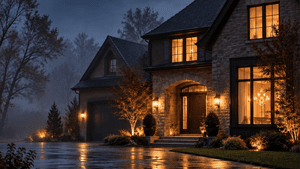
What Repairs Should You Make Before Selling Your Home in Northern Virginia & DC?
Discover which pre-sale repairs matter most for safety, mortgage financing, buyer confidence, and resale value in Arlington, Alexandria, Falls Church, Fairfax, McLean, Reston, Great Falls, and Washington, DC.
Before You Sell Your Home, Know Which Repairs Are Worth Making
Not every home improvement is worth the investment before selling. The smartest pre-sale strategy is to address safety concerns, structural problems, water intrusion, and major system defects first—then focus on affordable cosmetic improvements that help your home compete in today's market.
For homeowners throughout Northern Virginia and Washington, DC, deciding what to repair before listing can be one of the most important—and potentially expensive—parts of preparing a property for sale.
Should you replace an aging roof?
Repair minor plumbing issues?
Repaint the entire interior?
Update the kitchen?
Or sell the home in its current condition and adjust the price accordingly?
The answer depends on your property's condition, the cost of repairs, buyer expectations, and competing listings in your neighborhood.
A beautifully staged home may attract attention online, but unresolved maintenance issues can become significant concerns during inspections, appraisals, and financing.
At The Silver Line Group at TTR Sotheby's International Realty, we help homeowners prioritize repairs that support marketability without encouraging unnecessary renovations.
Our approach is straightforward:
Fix what could threaten safety, financing, or buyer confidence before spending heavily on cosmetic upgrades.
1. Why Pre-Sale Repairs Matter More Than Cosmetic Renovations
Buyers evaluate more than appearance.
They want to understand whether a property is safe, functional, and reasonably well-maintained.
A freshly painted living room may create a positive first impression, but it won't necessarily offset concerns about an active roof leak or malfunctioning electrical system.
Three Reasons Repairs Matter
1. Safety
Certain defects can create risks for occupants and visitors.
Examples include exposed wiring, unstable railings, and serious structural problems.
2. Financing
Depending on the loan program, appraisal findings, and lender requirements, significant property-condition issues may need to be resolved before financing can proceed.
3. Buyer Confidence
Visible maintenance problems may cause buyers to question whether additional issues exist.
The Cost of Deferred Maintenance
Even relatively minor problems can influence how buyers perceive a property.
Multiple small defects may suggest that maintenance has been postponed.
That perception can affect negotiations, even when the individual repairs are inexpensive.
Why Prioritization Matters
Homeowners rarely have unlimited time or money before listing.
The objective is to identify which repairs address meaningful risks and which improvements are primarily matters of personal taste.
2. The Five Most Important Categories of Pre-Sale Repairs
Before spending money on renovations, evaluate these five categories.
Priority 1: Safety Hazards
Safety-related concerns deserve early attention.
Examples may include:
Exposed or unsafe electrical wiring.
Missing or unstable handrails.
Loose stair components.
Broken or hazardous glass.
Unsafe decks or balconies.
Significant trip hazards.
Other conditions identified by qualified inspectors.
Priority 2: Structural Concerns
Potential structural issues should be evaluated by appropriate professionals.
Examples include:
Significant foundation cracking.
Settlement concerns.
Structural movement.
Damaged framing.
Deteriorated support components.
Not every foundation crack indicates a serious problem.
A qualified professional can help distinguish cosmetic conditions from issues requiring further investigation.
Priority 3: Water Intrusion and Moisture
Water-related problems can create significant buyer concerns.
Examples include:
Active roof leaks.
Basement seepage.
Plumbing leaks.
Water-damaged ceilings.
Moisture intrusion around windows.
Persistent drainage problems.
Priority 4: Major Mechanical Systems
Buyers commonly evaluate the condition and functionality of:
Heating systems.
Air conditioning.
Electrical systems.
Plumbing.
Water heaters.
Other essential equipment.
Priority 5: Visible Deferred Maintenance
After addressing major concerns, focus on smaller issues that affect presentation.
Examples include:
Damaged trim.
Peeling paint.
Loose hardware.
Dripping faucets.
Broken fixtures.
Damaged flooring.
Deteriorated caulking.
Addressing these categories in order can help sellers avoid spending heavily on cosmetic improvements while leaving more consequential problems unresolved.
3. Which Repairs Could Affect a Buyer's Mortgage Financing?
Mortgage financing may be affected by certain property-condition issues.
However, requirements vary by loan program, lender, appraisal findings, and the severity of the condition.
Conventional Financing
For loans subject to applicable Fannie Mae requirements, property condition can influence appraisal treatment and whether repairs or further evaluation are necessary.
Potential concerns may include:
Significant structural deficiencies.
Active water intrusion.
Roof problems.
Unsafe electrical conditions.
Failed plumbing systems.
Other deficiencies affecting safety, soundness, or structural integrity.
FHA and VA Financing
Government-backed loan programs have their own property-condition requirements.
A property may need repairs or further evaluation if specific issues are identified.
Does an Older Roof Automatically Prevent Financing?
No.
An older roof does not necessarily make a property ineligible for financing.
The roof's condition, remaining functionality, evidence of leaks, and applicable lender requirements matter.
Do All Inspection Problems Have to Be Fixed?
No.
A home inspection report and a lender's property-condition requirements serve different purposes.
Some inspection findings may become negotiation issues without automatically preventing financing.
Why Sellers Should Care
If a lender requires a repair before closing, the parties may need to coordinate:
Repair completion.
Documentation.
Reinspection.
Settlement timing.
Contractual responsibilities.
Resolving significant defects before listing may reduce the likelihood of unexpected financing-related complications, but no repair strategy can guarantee loan approval or a successful closing.
4. Should You Get a Pre-Listing Home Inspection?
A pre-listing inspection may help homeowners understand their property's condition before buyers begin evaluating it.
Potential Advantages
A pre-listing inspection can help identify:
Safety concerns.
Water intrusion.
Mechanical problems.
Visible structural issues.
Maintenance deficiencies.
Conditions that may require specialist evaluation.
Why This Can Help
Discovering problems before listing gives sellers time to consider their options.
Depending on the circumstances, they may:
Complete repairs.
Obtain contractor estimates.
Seek specialist opinions.
Adjust the asking price.
Disclose known conditions as required.
Prepare for potential buyer questions.
What a Pre-Listing Inspection Does Not Do
An inspection does not guarantee that every defect will be discovered.
It also does not replace the buyer's inspection, lender appraisal, or other required evaluations.
Important Disclosure Considerations
Virginia, Washington, DC, and Maryland have different real estate disclosure requirements.
Inspection findings may have implications for seller disclosure obligations, so homeowners should discuss those requirements with their agent and qualified legal advisors when appropriate.
Is a Pre-Listing Inspection Always Necessary?
Not necessarily.
The decision depends on the home's age, condition, seller priorities, and overall marketing strategy.
A pre-listing inspection is most useful when the information helps the seller make better decisions before the property goes on the market.
5. A Three-Tier Strategy for Pre-Sale Home Repairs
A practical repair strategy separates essential work from optional improvements.
Tier One: Safety, Structure, Water, and Essential Systems
These items deserve the highest priority.
Examples:
Repairing active leaks.
Addressing unsafe wiring.
Correcting serious plumbing problems.
Investigating structural concerns.
Repairing hazardous stairs or railings.
Resolving significant HVAC functionality issues.
Goal: Reduce safety concerns, major buyer objections, and potential financing complications.
Tier Two: Maintenance and Cosmetic Refreshes
Once major defects are addressed, focus on relatively modest improvements.
Examples:
Interior painting.
Replacing damaged trim.
Repairing doors and hardware.
Updating dated light fixtures.
Cleaning or repairing flooring.
Refreshing bathroom caulking.
Improving landscaping.
Goal: Help the property appear clean, functional, and well-maintained.
Tier Three: Selective Upgrades
These improvements should be considered only after evaluating cost and market expectations.
Examples:
Replacing selected appliances.
Updating cabinet hardware.
Refinishing countertops where appropriate.
Replacing worn flooring.
Refreshing bathroom fixtures.
Improving the front entrance.
Goal: Strengthen presentation without investing in renovations that may exceed what the market supports.
Why the Order Matters
A seller who spends heavily on kitchen finishes but leaves an active basement leak unresolved may not have addressed the issue most likely to concern buyers.
Functional repairs come first. Cosmetic improvements follow. Major renovations require careful financial justification.
6. Should You Replace Your Roof Before Selling?
Roof condition is an important consideration because buyers may be concerned about leaks, future replacement costs, and financing requirements.
Questions to Ask
Is the roof actively leaking?
Has it been professionally evaluated?
Are there visible signs of deterioration?
Is repair feasible?
Is replacement necessary?
What do comparable properties offer?
Repair vs. Replacement
An aging roof may not require immediate replacement if it remains functional.
However, significant damage or active leaks may warrant prompt attention.
Get Professional Guidance
A qualified roofing contractor can evaluate the condition and provide repair or replacement options.
Consider the Market
A roof nearing the end of its expected service life may influence buyer negotiations even if replacement is not immediately required.
Avoid Automatic Decisions
Replacing an entire roof solely because of age may not always be the most cost-effective choice.
The right decision depends on actual condition, repair costs, buyer expectations, and the property's competitive position.
7. Water Damage and Moisture Problems: Why Sellers Should Act Early
Water intrusion can create concerns about both immediate repairs and underlying conditions.
Common Sources
Roof leaks.
Plumbing leaks.
Foundation seepage.
Poor exterior drainage.
Window or door flashing issues.
Condensation or ventilation problems.
Why Water Problems Matter
Buyers may be concerned about:
Recurring moisture.
Damaged materials.
Hidden deterioration.
Potential microbial growth.
Future repair costs.
Don't Simply Cover Up Water Damage
Painting over a stain without addressing the underlying cause may leave the actual problem unresolved.
A Better Approach
Identify the source.
Consult qualified professionals.
Correct the underlying problem.
Repair affected materials.
Retain relevant documentation.
Documentation Can Help
Invoices, warranties, and reports may help explain what work was completed.
They do not guarantee buyer acceptance, but they can provide useful information.
When preparing a home for sale, correcting the source of water intrusion is generally more important than improving the appearance of the affected surface.
8. Electrical, Plumbing, and HVAC Repairs Before Listing
Major systems can influence both buyer confidence and the overall perception of property condition.
Electrical
Potential concerns include:
Unsafe wiring.
Exposed connections.
Malfunctioning outlets.
Improper installations.
Other deficiencies identified by qualified professionals.
Plumbing
Common issues include:
Active leaks.
Failed fixtures.
Drainage problems.
Water heater concerns.
Deteriorated components.
Heating and Cooling
Buyers may ask about:
System functionality.
Maintenance history.
Age.
Service records.
Known deficiencies.
Should You Replace an Older HVAC System?
Not automatically.
An older but functional system may be evaluated differently from one that has failed.
Consider Maintenance First
Depending on the condition, servicing and documented repairs may be more appropriate than replacement.
Use Qualified Contractors
Electrical, plumbing, and HVAC work should be performed by appropriately qualified professionals.
A functioning, properly maintained system can be more important to buyers than an expensive cosmetic upgrade elsewhere in the home.
9. Which Cosmetic Improvements Are Usually Worth Considering?
After addressing meaningful defects, relatively modest cosmetic improvements may help improve the property's presentation.
Fresh Interior Paint
Neutral, consistent paint can help rooms feel clean and cohesive.
Updated Lighting
Appropriate lighting can improve how rooms appear in photographs and during showings.
Flooring Repairs
Repairing visibly damaged flooring may improve overall presentation.
Cabinet Hardware
Replacing worn or dated hardware can provide a relatively modest refresh.
Bathroom Details
Consider:
New caulking.
Updated mirrors.
Clean grout.
Repaired fixtures.
Fresh towels for staging.
Kitchen Touch-Ups
Possible improvements include:
Replacing damaged hardware.
Repairing cabinet doors.
Cleaning grout.
Updating selected fixtures.
Addressing visible wear.
Decluttering and Deep Cleaning
These are often important preparation steps even when no significant renovation is planned.
Why Simplicity Works
Cosmetic improvements should support broad market appeal rather than highly personalized design preferences.
A clean, bright, well-maintained home can be more compelling than one with expensive upgrades but unresolved defects.
10. Curb Appeal: Affordable Exterior Improvements Before Selling
A home's exterior contributes to the first impression buyers form.
Landscaping
Consider:
Trimming overgrown shrubs.
Removing debris.
Maintaining the lawn.
Refreshing garden beds.
Cleaning walkways.
Front Entrance
Potential improvements include:
Cleaning the front door.
Repairing hardware.
Updating exterior lighting.
Refreshing paint where needed.
Removing unnecessary items.
Exterior Maintenance
Address visible issues such as:
Peeling paint.
Damaged trim.
Loose fixtures.
Broken steps.
Deteriorated railings.
Garage Doors
Repairing or replacing a damaged garage door may improve appearance and functionality.
However, replacement should be evaluated against actual condition and cost.
Outdoor Living Areas
Clean decks, patios, and balconies.
Repair safety-related defects before focusing on decoration.
Why Exterior Preparation Matters
Exterior photographs are often prominent in online real estate listings.
Thoughtful curb appeal improvements can help a property make a positive first impression without requiring a complete landscape redesign.
11. Which Renovations Should Sellers Think Twice About?
Major renovations can be expensive, time-consuming, and difficult to recover fully through a sale.
Full Kitchen Remodels
A complete kitchen renovation may not be necessary if the existing kitchen is functional and reasonably competitive with comparable homes.
Complete Bathroom Replacements
Minor repairs and updates may be sufficient in some cases.
Luxury Finishes
Highly customized materials may not appeal equally to all buyers.
Major Landscaping Projects
Large outdoor investments should be evaluated against local buyer expectations.
Unnecessary System Replacement
Replacing functional systems solely because they are older may not always be justified.
Over-Improving for the Neighborhood
A renovation that substantially exceeds nearby market expectations may not produce a proportional increase in resale value.
Questions Before Starting a Major Project
What problem does this renovation solve?
Is the issue functional or cosmetic?
How does the home compare with competing listings?
What will the project cost?
How long will it take?
Will the work delay listing?
Is a buyer likely to value the improvement?
Would pricing the home appropriately be a better alternative?
The objective is not to create the most renovated home on the street. It's to make informed improvements that support the property's market position.
12. How Northern Virginia Market Conditions Affect Repair Decisions
Repair decisions should reflect the competitive environment for the specific property.
In the late-2026 market context described in the supplied overview, some Northern Virginia and DC sellers face greater competition from available listings.
That can increase the importance of pricing and condition.
However, conditions vary by location, property type, and price range.
More Competing Listings
When buyers have more options, visible maintenance problems may become more significant in property comparisons.
Buyer Expectations
Buyers may evaluate whether a home is move-in ready or requires additional spending.
Pricing Still Matters
A property needing repairs may attract interest if its price appropriately reflects its condition.
Repairs Are Not Always the Answer
Sometimes a seller may be better served by adjusting the asking price rather than undertaking an expensive renovation.
Local Comparables Are Essential
A repair strategy for a condominium in Alexandria may differ from one for a detached home in McLean.
The most useful comparison is not with every home in Northern Virginia, but with the properties buyers are likely to consider alongside yours.
13. Pre-Sale Repair Priorities by Northern Virginia Community
Different property types and local markets can influence which repairs deserve attention.
Arlington, Virginia
For detached homes, townhomes, and condominiums, sellers should evaluate property condition relative to nearby competing listings.
Potential priorities include functional systems, interior presentation, and visible maintenance.
Alexandria, Virginia
Older properties may require careful evaluation of plumbing, electrical systems, moisture concerns, and other age-related maintenance.
Condominium sellers should distinguish between unit responsibilities and association-managed components.
Falls Church and Lake Barcroft
Detached homes may have distinctive exterior features, mature landscaping, decks, and other elements requiring maintenance.
Waterfront properties may also warrant careful evaluation of moisture management and exterior conditions.
McLean and Great Falls
Larger homes may involve more extensive systems, exterior areas, and maintenance requirements.
Prioritizing essential repairs before cosmetic renovations can help manage preparation costs.
Fairfax and Vienna
Sellers should compare property condition with nearby alternatives and evaluate whether targeted updates would improve presentation.
Reston and Herndon
Townhomes and condominiums may involve association rules and maintenance responsibilities that affect repair planning.
Ashburn and Loudoun County
Homeowners should evaluate repairs against the condition and features of competing properties within their price range.
Washington, DC
Older housing stock and condominium properties may present different maintenance, disclosure, and association considerations.
The Regional Takeaway
There is no universal repair budget or checklist that fits every property. A strong preparation plan reflects the home's actual condition and its competitive market.
14. Should You Repair the Home or Sell It As-Is?
Some homeowners prefer to sell without completing substantial repairs.
That may be appropriate depending on their circumstances.
Reasons Sellers May Consider an As-Is Sale
Limited repair budget.
Time constraints.
Significant renovation needs.
Estate or inherited-property circumstances.
Preference for a simpler preparation process.
Potential Trade-Offs
Buyers may account for:
Estimated repair costs.
Time required for improvements.
Uncertainty about hidden conditions.
Financing limitations.
Additional risk.
As-Is Does Not Necessarily Mean No Inspections
An as-is sale does not automatically eliminate a buyer's inspection rights or other contractual protections.
The specific contract terms control.
Disclosure Obligations Still Matter
Sellers should not assume that an as-is designation removes applicable legal disclosure obligations.
Pricing Is Critical
A property marketed as-is should be priced with its condition and competing alternatives in mind.
When Repairs May Be Preferable
Targeted repairs may be worth considering if they resolve significant objections or broaden the pool of potential buyers.
The choice between repairing and selling as-is should be based on realistic costs, market conditions, and the seller's priorities.
15. How to Decide Whether a Repair Is Worth the Money
Before authorizing work, evaluate the potential benefit relative to cost.
Step 1: Identify the Problem
Is it a safety issue, functional defect, visible maintenance concern, or cosmetic preference?
Step 2: Assess the Consequences
Could the condition affect:
Safety?
Financing?
Buyer confidence?
Property usability?
Negotiations?
Marketing?
Step 3: Obtain Estimates
Request appropriate contractor estimates for significant work.
Step 4: Compare Competing Listings
Determine whether similar properties have the same issue or offer more updated features.
Step 5: Consider Timing
Will completing the work delay the listing?
Step 6: Evaluate Alternatives
Would a repair, credit, price adjustment, or as-is strategy be more practical?
Step 7: Make a Property-Specific Decision
Avoid relying solely on broad renovation return-on-investment claims.
Example Decision Framework
Repair or ImprovementPrimary ConcernGeneral PriorityUnsafe electrical conditionSafety and possible financingHighActive roof leakWater intrusion and conditionHighSignificant foundation concernStructural integrityHighFailed plumbing fixtureFunctionalityHighMissing stair handrailSafetyHighPeeling interior paintCondition and presentationModerateWorn cabinet hardwareCosmetic presentationLowerDated but functional kitchenBuyer preferenceEvaluateFull luxury bathroom renovationCosmetic upgradeEvaluate carefullyLandscaping cleanupCurb appealOften practical
This table provides general prioritization guidance. Actual urgency and repair requirements depend on the property's condition and professional findings.
Spend first on issues that could interfere with the sale. Then consider improvements that strengthen the home's presentation.
16. The Role of Staging After Repairs Are Complete
Staging can help buyers understand a property's layout and features.
However, staging should complement—not substitute for—necessary repairs.
Begin With Condition
Address significant safety, water, structural, and functional concerns.
Declutter
Remove unnecessary belongings and personal items.
Refresh
Complete selected painting, lighting, and cosmetic improvements.
Stage Key Rooms
Focus on spaces that help communicate the property's functionality.
These may include:
Living room.
Kitchen.
Primary bedroom.
Dining area.
Home office.
Outdoor living areas.
Coordinate Photography
Professional listing photographs should accurately represent the property's condition.
Maintain the Presentation
For occupied homes, establish a repeatable showing-ready routine.
A strong listing presentation combines appropriate repairs, thoughtful staging, strategic pricing, and professional marketing.
17. How The Silver Line Group Helps Sellers Prioritize Repairs
At The Silver Line Group at TTR Sotheby's International Realty, we help homeowners prepare properties for sale with a practical, market-focused approach.
Property Evaluation
We review the home's overall presentation and identify areas that may warrant additional attention.
Market Analysis
We compare the property with relevant competing listings and recent sales.
Repair Prioritization
We help sellers evaluate which improvements may support their listing strategy.
Contractor Coordination
When appropriate, we can help facilitate communication with qualified service providers.
Staging Guidance
We recommend adjustments that highlight the home's layout and features.
Professional Photography and Marketing
We coordinate marketing materials designed to present the property effectively.
Strategic Pricing
We develop a pricing strategy that reflects condition, market competition, and seller objectives.
Negotiation Support
We assist clients in evaluating offers and repair-related negotiations.
Local Experience
Ken Trotter, J.D., REALTOR®, SRES®, brings real estate experience and a legal background to helping homeowners make informed property decisions.
The Silver Line Group serves Arlington, Alexandria, Falls Church, Lake Barcroft, McLean, Great Falls, Fairfax, Vienna, Reston, Herndon, Ashburn, Loudoun County, Washington, DC, and surrounding communities.
Our goal is to help sellers make smart preparation decisions—not spend money on improvements that may not be necessary.
Frequently Asked Questions About Pre-Sale Repairs in Northern Virginia & DC
What repairs should I make before selling my house?
Start with safety hazards, structural concerns, active water intrusion, and major system defects. Then evaluate visible maintenance and affordable cosmetic improvements.
What repairs matter most to homebuyers?
Buyers commonly focus on the condition of the roof, foundation, plumbing, electrical systems, HVAC, and other essential components.
Can home repairs affect mortgage financing?
Yes. Certain property-condition issues may require repair or additional evaluation depending on the loan program, appraisal, and lender requirements.
Do I need to replace an old roof before selling?
Not necessarily. Roof condition and functionality matter more than age alone. Obtain professional guidance if the roof's condition is uncertain.
Should I replace my HVAC system before listing?
Not automatically. A functioning system may not require replacement solely because it is older.
Is a pre-listing home inspection worth it?
It may be helpful if you want to identify issues before buyers conduct inspections. The decision depends on the property's condition and your selling strategy.
Should I repair foundation cracks before selling?
Potential structural concerns should be evaluated by qualified professionals. Not every crack indicates a serious problem.
Should I fix water damage before listing?
Addressing the underlying source of water intrusion is generally important. Cosmetic repairs alone may not resolve the issue.
Is painting worth it before selling?
Fresh, neutral paint may improve presentation, particularly where existing finishes are worn or highly personalized.
Should I remodel my kitchen before selling?
Not necessarily. Minor updates may be more practical than a complete renovation, depending on the home's condition and comparable listings.
Should I renovate my bathroom before selling?
A full renovation may not be necessary. Cleaning, repairs, caulking, and selective fixture updates may be sufficient.
What are the most affordable improvements before selling?
Depending on the property, options may include cleaning, decluttering, painting, lighting adjustments, minor repairs, and landscaping maintenance.
Does staging replace the need for repairs?
No. Staging can improve presentation but does not correct significant functional or safety defects.
Can I sell my home as-is in Virginia?
As-is sales are possible, but contractual rights and applicable disclosure obligations still matter.
Do sellers have to fix everything found during a home inspection?
Not automatically. Repair responsibilities depend on the contract, negotiations, applicable law, and any lender requirements.
Will buyers ask for repair credits?
Some buyers may request repairs or credits after identifying concerns. Whether those requests are accepted depends on the contract and negotiations.
Do pre-sale repairs guarantee a higher selling price?
No. Repairs may improve condition and marketability, but sale price depends on many factors.
Should I make repairs before or after listing?
Significant safety and functional issues may warrant attention before listing. Other work can be evaluated based on timing, cost, and strategy.
How much should I budget for pre-sale repairs?
There is no universal amount. The appropriate budget depends on the property's condition, repair estimates, and competitive market.
Can a real estate agent help me decide what to repair?
Yes. An experienced listing agent can provide market-oriented guidance and help determine when qualified inspectors or contractors should be consulted.
The Bottom Line: Fix What Matters, Not Everything That Could Be Updated
Preparing a home for sale doesn't mean completing every renovation on your wish list.
For homeowners in Northern Virginia and Washington, DC, the most practical approach is to prioritize repairs that address meaningful concerns.
Start with:
Safety hazards.
Structural issues.
Water intrusion.
Major system defects.
Visible deferred maintenance.
Then consider:
Fresh paint.
Improved lighting.
Flooring repairs.
Minor kitchen and bathroom updates.
Landscaping.
Staging.
Professional photography.
Before investing in expensive renovations, evaluate the property's condition, contractor estimates, competing listings, and potential buyer expectations.
Sometimes a targeted repair is the right choice.
Sometimes a cosmetic refresh is sufficient.
And sometimes an appropriately priced as-is sale may better serve the homeowner's needs.
The best pre-sale strategy focuses on correcting meaningful problems, presenting the home effectively, and making informed decisions about where to invest.
Thinking About Selling Your Home in Northern Virginia or Washington, DC?
Before spending thousands on renovations, consider getting a professional assessment of your home's market position and preparation priorities.
Whether you're selling a detached home in Arlington, a condominium in Alexandria, a waterfront property in Lake Barcroft, or a residence in McLean, Fairfax, Reston, or Washington, DC, The Silver Line Group can help you develop a personalized listing strategy.
We provide property valuations, pre-listing preparation guidance, strategic pricing, professional marketing, showing coordination, and negotiation support.
SCHEDULE A PERSONALIZED PRE-LISTING CONSULTATION
TTR Sotheby's International Realty
Market Savvy. Sound Guidance. Top Results.
Serving Arlington, Alexandria, Falls Church, Lake Barcroft, McLean, Great Falls, Fairfax, Vienna, Reston, Herndon, Ashburn, Loudoun County, Washington, DC, and surrounding communities.
Disclaimer: This article provides general real estate preparation guidance and is not a substitute for professional home inspections, engineering evaluations, contractor assessments, lender requirements, or legal advice. Repair obligations, disclosure requirements, and financing standards vary by property, contract, loan program, and jurisdiction. Consult qualified professionals regarding your specific circumstances.