Best Energy-Efficient Home Upgrades for Older Homes in Northern Virginia: What to Improve Before Selling
From insulation and HVAC improvements to energy-efficient windows, smart thermostats, and accessible bathrooms, discover which upgrades can make older Northern Virginia homes more comfortable, functional, and appealing to prospective buyers.
Which Energy Upgrades Make an Older Northern Virginia Home More Comfortable and Move-In Ready?
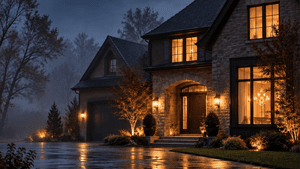
Older homes have a distinctive appeal throughout Northern Virginia.
From established neighborhoods in Arlington and Falls Church to historic properties in Alexandria and spacious residences in McLean and Fairfax, many homes offer architectural character, mature landscaping, and locations that are difficult to replicate in newer developments.
However, older properties can also present challenges.
Drafty windows, inconsistent indoor temperatures, aging heating and cooling equipment, insufficient insulation, and outdated layouts may affect comfort and everyday functionality.
For homeowners preparing to sell, these issues can also influence how prospective buyers evaluate a property.
The good news? Making an older home feel more comfortable and move-in ready doesn't always require a major renovation.
Strategic improvements to insulation, HVAC systems, windows, lighting, and accessibility can make a meaningful difference.
At The Silver Line Group at TTR Sotheby's International Realty, we help homeowners throughout Northern Virginia evaluate which improvements may enhance a property's presentation and marketability before listing.
The goal isn't necessarily to make an older home look brand-new.
It's to preserve its character while addressing the features that matter most to today's homeowners and buyers.
1. Why Energy Efficiency Matters in Older Northern Virginia Homes
Northern Virginia experiences hot, humid summers and cold winters.
That seasonal variation makes heating, cooling, insulation, and ventilation important considerations for residential comfort.
Older homes may have been built before modern energy-efficiency standards became common.
Depending on their age and renovation history, they may feature:
Insufficient attic insulation.
Drafty windows and doors.
Older HVAC equipment.
Air leakage around penetrations and framing.
Inconsistent temperatures between rooms.
Limited ventilation.
Outdated thermostats.
Uninsulated or poorly sealed ductwork.
These conditions can affect comfort and energy consumption.
Why Buyers Notice Energy Performance
When touring a home, prospective buyers often consider more than finishes and architectural details.
They may also evaluate whether the property feels comfortable and whether major systems appear well-maintained.
Questions may include:
How old is the HVAC system?
Have the windows been replaced?
Is the attic adequately insulated?
Are some rooms noticeably warmer or colder?
What maintenance or improvements may be needed after purchase?
Are there records of recent upgrades?
A home with documented improvements may help buyers better understand its condition and ongoing ownership responsibilities.
However, the value buyers assign to individual improvements varies by property and market conditions.
Energy efficiency is not just about reducing utility consumption. It's also about creating a home that feels comfortable and functions reliably.
2. Attic Insulation and Air Sealing: A Smart Place to Start
One of the most practical improvements for many older homes is evaluating the insulation and air sealing.
Why Insulation Matters
Insulation helps reduce heat transfer between conditioned living spaces and the outdoors.
Inadequate insulation may contribute to:
Uneven temperatures.
Excessive heat gain during summer.
Heat loss during winter.
Increased heating and cooling demand.
Uncomfortable upper-level rooms.
Areas Worth Evaluating
Attics
Attic insulation can be especially important because heat transfer through the roof and ceiling affects indoor comfort.
Basements
Insulation and air sealing may help improve comfort in finished and unfinished basement areas.
Crawl Spaces
Proper insulation, moisture management, and air sealing can improve the performance of certain crawl-space configurations.
Exterior Walls
Some older homes have limited wall insulation, although improvements may be more complicated than attic work.
Why Air Sealing Matters
Air leakage can occur around:
Attic penetrations.
Plumbing openings.
Recessed lighting.
Window and door frames.
Duct connections.
Other gaps in the building envelope.
Sealing appropriate gaps can help reduce uncontrolled airflow.
Should You Insulate Before Selling?
Possibly.
If a home has obvious comfort issues or insufficient insulation, an assessment may identify practical improvements.
However, insulation work should be based on the property's actual condition.
Moisture problems, ventilation requirements, and existing construction details should be addressed before adding insulation.
Seller tip: Consider a professional energy assessment before investing in extensive insulation work. It can help identify where improvements may have the greatest practical impact.
3. HVAC Upgrades: Improving Comfort and Reliability
Heating and cooling systems are among the most important mechanical components in a home.
In Northern Virginia, where seasonal temperatures vary considerably, reliable HVAC equipment contributes to year-round comfort.
Signs an HVAC System May Need Attention
Potential warning signs include:
Uneven heating or cooling.
Frequent repairs.
Unusual noises.
Poor airflow.
Difficulty maintaining desired temperatures.
Excessive humidity.
Aging equipment.
Inconsistent system operation.
These symptoms do not always mean the system needs replacement.
A qualified HVAC contractor can evaluate whether maintenance, repairs, duct improvements, or replacement are appropriate.
Modern HVAC Options
Depending on the property, homeowners may consider:
High-efficiency central air conditioning.
Modern furnaces.
Heat pump systems.
Ductless mini-split systems.
Zoned heating and cooling.
Improved ductwork.
Updated controls.
Heat Pumps in Northern Virginia
Heat pumps can provide both heating and cooling.
Modern systems may offer an efficient alternative to certain conventional heating and cooling arrangements.
However, suitability depends on factors such as home insulation, existing ductwork, equipment sizing, electrical capacity, and the property's heating requirements.
Is Replacing HVAC Worth It Before Selling?
That depends on the system's condition.
If the equipment operates reliably and has been maintained, replacement solely for marketing purposes may not be necessary.
If the system is failing, requires expensive repairs, or creates noticeable comfort problems, addressing the issue may make the home more appealing to buyers.
Document the Improvements
Keep records of:
Installation dates.
Equipment specifications.
Maintenance.
Repairs.
Warranties.
Contractor information.
These records can be helpful during the selling process.
A properly functioning HVAC system may provide more practical value to a buyer than a cosmetic upgrade that leaves major mechanical concerns unresolved.
4. Energy-Efficient Windows: Comfort, Appearance, and Performance
Windows contribute to both the appearance and performance of a home.
Older windows may have single-pane glass, deteriorated seals, or gaps that allow drafts.
Benefits of Modern Windows
Depending on the product and installation, replacement windows may provide:
Improved thermal performance.
Reduced drafts.
Better indoor comfort.
Improved operation.
Updated appearance.
Reduced exterior noise in some circumstances.
Do All Older Windows Need Replacement?
Not necessarily.
Some windows can be improved through:
Weatherstripping.
Caulking.
Repairs.
Storm windows.
Proper adjustment.
In historic homes, preserving original windows may be important for architectural character or local preservation requirements.
Special Considerations in Historic Alexandria
Certain properties in Old Town Alexandria and other designated historic districts may be subject to exterior alteration requirements.
Homeowners should confirm applicable preservation regulations before replacing windows or making visible exterior changes.
What Should Sellers Prioritize?
Focus first on windows that are:
Broken.
Difficult to operate.
Visibly deteriorated.
Allowing significant drafts.
Experiencing persistent moisture problems.
Replacing every window may not be the most cost-effective pre-listing strategy.
Seller tip: Window condition, installation quality, and compatibility with the home's architecture are often more important than simply advertising that the windows are new.
5. Smart Thermostats and Energy Controls
Smart thermostats are relatively modest upgrades compared with major mechanical renovations.
They can offer convenient temperature control and scheduling features.
Potential Benefits
Depending on the model and system compatibility, smart thermostats may provide:
Programmable temperature schedules.
Remote control.
Energy-use information.
Automatic adjustments.
Integration with compatible home systems.
Are Smart Thermostats Worth Installing Before Selling?
They may be a useful improvement when the existing thermostat is outdated or difficult to operate.
However, a smart thermostat alone does not correct poor insulation, failing HVAC equipment, or inadequate ductwork.
Compatibility Matters
Before installation, confirm compatibility with the home's heating and cooling equipment.
Some systems require specific wiring or controls.
A qualified HVAC professional can help determine the appropriate product.
6. Lighting and Ventilation: Small Changes With Everyday Benefits
Not every meaningful improvement involves replacing a major system.
Lighting and ventilation can affect how comfortable and functional a home feels.
Improve Interior Lighting
Older homes may have insufficient lighting in:
Kitchens.
Hallways.
Staircases.
Bathrooms.
Basements.
Closets.
Potential improvements include:
Energy-efficient LED fixtures.
Under-cabinet lighting.
Updated recessed lighting.
Improved stairway illumination.
Motion-activated lighting in appropriate locations.
Address Ventilation
Proper ventilation is important in bathrooms, kitchens, attics, and other areas where moisture or indoor pollutants may accumulate.
Homeowners should evaluate:
Bathroom exhaust fans.
Kitchen ventilation.
Attic ventilation.
Moisture control.
Indoor humidity.
Why These Improvements Matter
Good lighting can make rooms feel more inviting and easier to navigate.
Appropriate ventilation can help manage moisture and improve indoor conditions.
These improvements may be especially useful in older homes with limited natural light or outdated fixtures.
7. Accessibility Improvements That Make Older Homes More Functional
Energy efficiency is only one aspect of making an older home move-in ready.
Accessibility and adaptable design can also improve everyday usability.
These features may be particularly relevant to buyers considering long-term housing needs.
Curbless or Low-Threshold Showers
Walk-in showers with minimal thresholds can provide a streamlined appearance and easier access.
However, converting a traditional bathroom to a curbless shower may require changes to drainage, waterproofing, and floor construction.
Wider Doorways
Wider openings may improve circulation and accessibility.
Structural and layout limitations can affect feasibility.
Lever-Style Door Handles
Lever handles are generally easier to operate than traditional round knobs for many users.
They can be a relatively straightforward update.
Comfort-Height Toilets
These fixtures may offer improved usability for some homeowners.
Improved Lighting
Bright, well-positioned lighting can improve visibility in hallways, bathrooms, and stairs.
Main-Level Bedrooms
A bedroom and full bathroom on the main level may provide greater flexibility for a variety of living arrangements.
Why Accessibility Matters in Real Estate
Accessible and adaptable features can make a home more functional for people with different needs and preferences.
However, not every accessibility renovation is appropriate for every property.
Homeowners should evaluate the likely usefulness of the improvement, its cost, and the home's existing layout.
8. What Makes an Older Home Truly Move-In Ready?
A home can look beautiful in photographs while still requiring substantial repairs.
For many buyers, move-in readiness involves a combination of appearance, functionality, and confidence in the property's condition.
Important Areas to Evaluate
Roof
Is the roof in serviceable condition, with no known active leaks?
HVAC
Does the heating and cooling equipment operate properly?
Electrical Systems
Are there known safety issues or outdated components requiring professional evaluation?
Plumbing
Are fixtures and systems functioning appropriately?
Windows and Doors
Do they open, close, and seal properly?
Bathrooms
Are fixtures functional, clean, and in good repair?
Kitchen
Are appliances, plumbing fixtures, and cabinets in usable condition?
Lighting
Are rooms adequately illuminated?
Moisture and Drainage
Are there signs of water intrusion or unresolved drainage problems?
Cosmetic Improvements Still Matter
Fresh paint, professional cleaning, minor repairs, and thoughtful staging can improve presentation.
However, cosmetic work should not be used to conceal material defects or unresolved safety concerns.
A truly move-in-ready home combines attractive presentation with properly functioning systems and practical living spaces.
9. Which Upgrades Should Northern Virginia Sellers Prioritize?
Not every improvement produces the same benefit.
The best pre-listing strategy depends on the home's condition, price range, competition, and likely buyer expectations.
A Practical Upgrade Priority Guide
ImprovementPrimary BenefitPre-Listing ConsiderationAir sealing and insulationComfort and thermal performanceConsider when deficiencies are identifiedHVAC servicing or replacementReliability and comfortPrioritize failing or poorly performing systemsWindow repairs or replacementDraft reduction and functionalityAddress defective windows firstSmart thermostatConvenience and temperature controlRelatively modest upgrade when compatibleLED lightingVisibility and efficiencyOften practical for outdated lightingBathroom accessibility updatesUsability and flexibilityEvaluate renovation cost and existing layoutMain-level living improvementsAdaptabilityMore substantial changes require careful analysisRoof repairsBuilding protectionAddress known leaks or defectsVentilation improvementsMoisture managementImportant where ventilation is inadequate
Start With Condition, Not Trends
Before investing in upgrades, determine which issues are most likely to affect the property's condition, usability, or market presentation.
A homeowner may benefit more from repairing a malfunctioning HVAC system than from installing expensive decorative finishes.
Compare With Similar Homes
The appropriate level of improvement varies by neighborhood.
A property in McLean may compete with a different set of homes than a townhouse in Reston or a historic residence in Alexandria.
Avoid Overimproving
Major renovations do not automatically produce equivalent increases in resale value.
The cost of a project may exceed the amount buyers are willing to pay for the improvement.
A property-specific market analysis can help homeowners evaluate which projects are worth considering.
10. Older Homes in Arlington, Falls Church, Alexandria, and Fairfax: Local Considerations
Northern Virginia's housing stock includes homes from many different periods.
The appropriate renovation strategy often depends on the property's age, construction, and neighborhood.
Arlington, Virginia
Arlington includes historic homes, mid-century properties, expanded residences, and newer construction.
Older homes may benefit from insulation, mechanical system evaluations, and improvements to ventilation or windows.
For properties with additions, HVAC distribution and temperature consistency may warrant special attention.
Falls Church and Lake Barcroft
Falls Church and Lake Barcroft include many established residential properties.
Depending on the home, common considerations may include insulation, drainage, aging systems, and improvements to comfort.
Waterfront or wooded properties may also require attention to moisture management and exterior maintenance.
Alexandria, Virginia
Alexandria offers a mix of historic townhouses, older detached homes, condominiums, and newer development.
In historic districts, exterior alterations may require additional review.
Older properties may have unique plumbing, electrical, or structural considerations.
McLean and Great Falls
Larger homes may have multiple HVAC systems, extensive conditioned space, and complex mechanical equipment.
Energy performance can depend on equipment maintenance, insulation, air sealing, and proper system controls.
Reston and Fairfax
Reston and Fairfax include a wide variety of housing types, including townhouses, detached homes, and condominiums.
Some properties may benefit from targeted mechanical upgrades, insulation improvements, or updated windows.
For condominium and townhouse properties, association rules may affect which exterior improvements an owner can make.
Why Local Expertise Matters
The appropriate improvements for a property in Old Town Alexandria may be very different from those for a detached home in Great Falls.
Construction type, historic preservation rules, association requirements, and local buyer expectations all influence renovation decisions.
11. Permits, Contractors, and Hidden Costs in Older Homes
Renovating an older home can reveal conditions that were not obvious before work began.
Potential challenges include:
Outdated wiring.
Aging plumbing.
Moisture damage.
Structural limitations.
Limited access to mechanical systems.
Inadequate electrical capacity.
Previous unpermitted work.
Hazardous materials requiring specialized handling.
When Are Permits Required?
Permit requirements depend on the jurisdiction and the type of work.
Projects involving structural alterations, electrical systems, plumbing, HVAC replacement, or significant renovations may require permits and inspections.
Homeowners should confirm requirements with the appropriate local building department.
Why Contractor Qualifications Matter
Use appropriately licensed and insured contractors where required.
Request written estimates, verify the scope of work, and retain project documentation.
Plan for Unexpected Conditions
Older homes may contain hidden issues that become apparent only after construction begins.
A contingency budget can help homeowners prepare for unexpected expenses.
Keep Renovation Records
Maintain copies of:
Permits.
Inspection approvals.
Contractor invoices.
Warranties.
Equipment manuals.
Maintenance records.
These documents may be useful when selling the property.
12. Do Energy-Efficient Upgrades Increase Home Value in Northern Virginia?
Energy improvements can enhance comfort, functionality, and market presentation.
However, the financial return varies.
A new HVAC system, replacement windows, or improved insulation does not necessarily increase the property's resale value by the full cost of installation.
Factors That Influence Market Value
These include:
Property location.
Current market conditions.
Home condition.
Quality of improvements.
Comparable sales.
Buyer preferences.
Price range.
Competition from other listings.
Marketability vs. Return on Investment
An improvement may help a home compete more effectively without generating a dollar-for-dollar increase in sale price.
For example, replacing failing HVAC equipment may reduce buyer concerns about immediate repairs.
But the final sale price still depends on the broader market.
How to Evaluate Improvements Before Listing
A real estate professional can help compare your property with similar homes.
This may reveal whether buyers are likely to expect certain improvements or whether selling in the property's existing condition is more practical.
The most effective pre-listing renovations are often those that address real deficiencies while staying aligned with the property's market position.
13. Should You Renovate Before Selling or List the Home As-Is?
This is one of the most important decisions for homeowners preparing to sell.
There are advantages and disadvantages to both approaches.
Renovating Before Selling
Potential benefits include:
Improved presentation.
Fewer visible maintenance concerns.
Greater functionality.
More competitive positioning against updated homes.
Potential disadvantages include:
Upfront expenses.
Project delays.
Contractor coordination.
Unexpected repairs.
Uncertain financial return.
Selling As-Is
Potential benefits include:
Avoiding extensive renovation expenses.
Reducing preparation time.
Allowing buyers to make their own improvements.
Potential disadvantages include:
A potentially smaller buyer pool.
More negotiation over condition.
Pricing adjustments based on needed work.
A Third Option: Targeted Improvements
For many sellers, a balanced approach may be worth considering.
Instead of a full renovation, focus on:
Essential repairs.
HVAC servicing.
Minor plumbing or electrical corrections.
Improved lighting.
Professional cleaning.
Paint touch-ups.
Addressing obvious drafts or comfort issues.
The right strategy should be based on a property-specific evaluation.
14. How The Silver Line Group Helps Sellers Prioritize Improvements
Preparing a home for sale involves more than creating a renovation checklist.
It requires understanding how the property compares with competing listings and which improvements may influence buyer perceptions.
At The Silver Line Group at TTR Sotheby's International Realty, we help homeowners evaluate these considerations before listing.
Property-Specific Recommendations
We review the home's condition, features, and market positioning.
Comparative Market Analysis
We evaluate relevant sales and competing listings to help establish pricing expectations.
Pre-Listing Strategy
We help identify improvements that may be worth considering before marketing begins.
Presentation and Marketing
Our listing services may include professional photography, staging recommendations, floor plans, and other property marketing tools.
Pricing Guidance
We develop a pricing strategy informed by the property's characteristics and current market conditions.
Local Experience
Our team serves homeowners throughout Arlington, Falls Church, Lake Barcroft, Alexandria, McLean, Great Falls, Fairfax, Vienna, Reston, Herndon, Ashburn, and Washington, DC.
The objective is to help sellers make informed decisions about preparation, pricing, and marketing—not to recommend renovations simply for the sake of renovating.
Frequently Asked Questions About Energy Upgrades in Northern Virginia Homes
What are the best energy-efficient upgrades for older homes?
Common improvements include attic insulation, air sealing, HVAC upgrades, energy-efficient windows, and smart thermostats. The best choices depend on the home's condition.
Should I replace my HVAC system before selling?
Not necessarily. If the system operates reliably, servicing may be sufficient. If it is failing or requires major repairs, replacement may be worth evaluating.
Do new windows increase home value?
New windows may improve comfort, appearance, and functionality, but the resale value impact varies. Replacement costs are not necessarily recovered in full.
Is attic insulation worth improving before selling?
It may be, particularly if the home has inadequate insulation or noticeable comfort issues. A professional assessment can help identify deficiencies.
Are smart thermostats attractive to buyers?
Smart thermostats can provide convenient temperature controls and may be viewed as a useful feature, although their effect on resale value is generally property-specific.
What makes an older home move-in ready?
A move-in-ready home generally has functional major systems, appropriate maintenance, usable kitchens and bathrooms, and no obvious unresolved conditions requiring immediate attention.
Should I renovate my bathroom before selling?
That depends on its condition, functionality, renovation cost, and the expectations of buyers in the local market.
Are walk-in showers desirable in older homes?
Walk-in showers can improve accessibility and usability for some homeowners. Preferences vary, and renovation feasibility should be evaluated.
Do I need permits for energy upgrades in Virginia?
Some projects require permits, particularly when electrical, plumbing, mechanical, or structural work is involved. Requirements vary by jurisdiction.
Are there special renovation rules for historic homes in Alexandria?
Certain properties within designated historic districts may be subject to preservation review for exterior alterations.
Is it better to renovate or sell my Northern Virginia home as-is?
The best approach depends on property condition, renovation costs, market conditions, and expected sale proceeds.
How can I determine which upgrades are worth making?
Start with a property assessment, obtain contractor estimates, and review comparable sales with a local real estate professional.
The Bottom Line: Comfort and Functionality Matter More Than Renovation Trends
Older homes throughout Northern Virginia offer architectural character, established neighborhoods, and distinctive living environments.
But when preparing a home for sale, comfort and functionality deserve just as much attention as appearance.
Insulation, air sealing, HVAC performance, windows, lighting, and accessibility improvements can all contribute to a home that feels more comfortable and easier to use.
Not every property needs every upgrade.
The best strategy is to identify meaningful deficiencies, evaluate costs, and prioritize improvements that align with the home's condition and market position.
For sellers, this may mean addressing a failing HVAC system rather than undertaking a major kitchen renovation.
For other properties, modest lighting improvements, maintenance, and professional presentation may be sufficient.
Thoughtful preparation can help an older home showcase its character while giving buyers a clearer understanding of its condition and functionality.
Preparing to Sell an Older Home in Northern Virginia?
Before investing in renovations, it's worth understanding which improvements may make sense for your particular property.
At The Silver Line Group at TTR Sotheby's International Realty, we help homeowners evaluate their home's market position, prioritize pre-listing improvements, and develop a tailored selling strategy.
Whether you're preparing to sell a historic home in Alexandria, an established residence in Arlington, a waterfront property in Lake Barcroft, or a home in McLean, Fairfax, or Reston, our team is here to provide local real estate guidance.
SCHEDULE A PERSONALIZED PRE-LISTING CONSULTATION
Silver Line Group | TTR Sotheby’s International Realty
Market Savvy. Sound Guidance. Top Results.
Serving Arlington, Falls Church, Lake Barcroft, Alexandria, McLean, Great Falls, Fairfax, Vienna, Reston, Herndon, Ashburn, Loudoun County, Washington, DC, and surrounding communities.
Disclaimer: This article provides general home improvement and real estate information. Energy savings, renovation costs, property values, and resale outcomes vary by home and market conditions. Consult qualified contractors, energy auditors, engineers, and other appropriate professionals for property-specific recommendations. Confirm local permit and historic preservation requirements before beginning work.