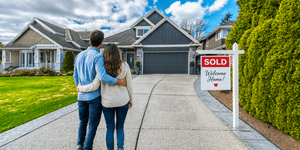
Why Moving to Northern Virginia or Washington, DC Can Feel Bittersweet—Even When It's the Right Decision
Moving to a new home can be exciting and emotional at the same time. Discover why relocation sometimes brings unexpected feelings of loss, how to adjust to a new community, and what to consider when choosing where to live in Northern Virginia and Washington, DC.
Why Can a Positive Move Still Feel Like a Loss?
You've found a beautiful new home. The neighborhood fits your lifestyle, the location makes sense, and you're looking forward to the opportunities ahead.
So why does moving still feel a little bittersweet?
Whether you're relocating to Arlington, Falls Church, Alexandria, McLean, Reston, Fairfax, Great Falls, or Washington, DC, even a welcome move can involve leaving behind familiar places, relationships, and routines.
A new home represents possibility. But moving also means saying goodbye to parts of your everyday life that may have taken years to build.
Your favorite coffee shop. The neighbors you've known for decades. The familiar streets you drive without thinking. The community events that have become annual traditions.
These connections don't automatically transfer to a new address.
That's why it's possible to feel excited about your next chapter while also missing the one you're leaving behind.
At The Silver Line Group at TTR Sotheby's International Realty, we recognize that a successful relocation involves more than finding the right property.
It's also about finding a community where you can gradually build a new sense of belonging.
Whether you're moving across the country or just a few neighborhoods away, understanding the emotional and practical sides of relocation can make the transition more manageable.
1. The Emotional Side of Moving: Why Change Can Feel Like Loss
Moving is often described as a fresh start.
A new job, a different lifestyle, a larger home, a smaller home, or a location closer to family can all be positive reasons to relocate.
But even when the decision is intentional, moving changes the familiar structure of daily life.
You're Leaving More Than a House
A home is often connected to years of experiences.
It may be where you celebrated milestones, developed friendships, raised a family, or established meaningful routines.
Leaving that environment can create a sense of loss, even when you're enthusiastic about your new home.
Familiar Routines Provide Stability
Everyday habits can create a feeling of comfort.
You may have a preferred grocery store, favorite walking route, regular restaurant, or familiar commute.
After relocating, even simple tasks can require more planning.
Finding a new dentist, learning traffic patterns, or discovering where to buy your morning coffee can make an otherwise positive transition feel unfamiliar.
Relationships Take Time to Rebuild
One of the most significant changes associated with relocation is the loss of spontaneous contact with familiar people.
You may still stay connected with former neighbors and friends, but casual conversations and regular encounters become less frequent.
Building similar connections in a new community takes time.
Your Sense of Identity May Be Connected to Place
Many people identify strongly with the communities where they've lived.
Moving away can prompt questions about belonging, identity, and what home means.
These feelings don't necessarily indicate that the move was a mistake.
They may simply reflect the importance of the life you've built.
A positive move can involve both excitement about the future and appreciation for what you're leaving behind.
2. Why Relocation Emotions Sometimes Appear After the Move
The weeks leading up to a move are often busy.
There are contracts to review, inspections to coordinate, belongings to pack, utilities to transfer, and moving arrangements to finalize.
During this period, practical responsibilities may take priority over emotional adjustment.
Once the move is complete, the pace changes.
The boxes are unpacked. The moving company is gone. The immediate tasks become less urgent.
That's when some people begin to notice what feels different.
The Newness Begins to Fade
Initially, exploring a new neighborhood can feel exciting.
But as the novelty wears off, the absence of familiar routines or relationships may become more noticeable.
Everyday Tasks Require More Effort
Simple activities that once felt automatic may now require research and planning.
Social Connections Haven't Fully Developed
It can take time to establish friendships and feel connected to a community.
Expectations May Not Match Reality
You may have expected to feel settled immediately.
Instead, you discover that creating a sense of home is a gradual process.
Recognizing these possibilities before moving can help you approach the transition with more realistic expectations.
3. Seven Practical Ways to Feel More at Home After Relocating
A smoother transition doesn't necessarily require a complete reinvention of your daily life.
Often, small and consistent steps are more helpful than trying to establish an entirely new routine immediately.
1. Keep a Few Familiar Traditions
Continue activities that brought you comfort before the move.
Perhaps it's a Saturday morning walk, a weekly dinner tradition, or a favorite hobby.
Maintaining familiar routines can provide continuity while you adjust.
2. Stay Connected With Your Previous Community
Moving doesn't mean leaving every relationship behind.
Schedule regular conversations or visits with friends and family.
Maintaining those connections can help preserve a sense of stability.
3. Explore Your New Neighborhood Gradually
Instead of trying to discover everything at once, choose a few places to visit regularly.
A neighborhood coffee shop, local park, or nearby restaurant can become part of your new routine.
Over time, familiar places can make a community feel more comfortable.
4. Join Recurring Activities
Consider joining a group that meets regularly.
Examples include:
Community classes.
Walking groups.
Recreational sports.
Book clubs.
Volunteer organizations.
Gardening groups.
Neighborhood associations.
Local cultural organizations.
Repeated interactions can create opportunities to develop connections naturally.
5. Learn the Practical Details of Your Community
Locate the services you'll use most frequently.
These may include grocery stores, healthcare providers, pharmacies, public transportation, parks, and community facilities.
Knowing where to go can make everyday life easier.
6. Give Yourself Time
There's no universal timeline for feeling settled.
Some people become comfortable quickly, while others need more time.
Focus on gradual familiarity rather than expecting an immediate sense of belonging.
7. Ask for Support When Needed
If relocation-related stress, anxiety, or low mood begins to interfere with daily functioning, consider speaking with a licensed mental health professional.
Seeking support can be a constructive part of navigating a major life transition.
4. Building Community Connections in Northern Virginia and Washington, DC
One of the advantages of relocating to the Washington metropolitan area is the variety of communities, activities, and organizations available.
Northern Virginia and DC offer opportunities to connect through recreation, volunteering, neighborhood events, cultural activities, and local organizations.
Explore Local Parks and Recreation Programs
County and city recreation departments often provide classes, sports programs, and community activities.
These can be useful starting points for meeting people who share your interests.
Attend Neighborhood Events
Community festivals, seasonal gatherings, farmers markets, and local celebrations provide opportunities to become familiar with your surroundings.
Volunteer Locally
Volunteering can help newcomers connect with organizations and community members while contributing to causes they value.
Participate in Neighborhood Associations
Many Northern Virginia communities have civic associations or neighborhood organizations.
These groups may provide information about local events, community initiatives, and neighborhood issues.
Explore Libraries and Community Centers
Public libraries and community centers frequently offer classes, educational programs, and gatherings.
Find Groups That Match Your Interests
Whether you enjoy hiking, art, music, gardening, sports, or community service, recurring activities can provide opportunities to build relationships.
The goal isn't to meet everyone immediately. It's to create opportunities for meaningful connections to develop over time.
5. Choosing the Right Northern Virginia Neighborhood for Your Lifestyle
One of the most important decisions in any relocation is choosing where to live.
The right neighborhood involves more than finding a home with the appropriate number of bedrooms or the right floor plan.
It also involves understanding how a community supports your daily life.
For buyers relocating to Northern Virginia or Washington, DC, different locations offer different residential experiences.
Arlington, Virginia: Urban Convenience and Established Neighborhoods
Arlington offers a range of housing options, from condominiums near Metrorail stations to detached homes in established residential neighborhoods.
Communities such as Clarendon, Ballston, Lyon Village, Ashton Heights, and North Arlington offer different combinations of residential character, shopping, dining, and transportation access.
Consider Arlington if you're interested in:
Access to Washington, DC.
Metrorail connections in certain corridors.
Restaurants and shopping.
Established residential neighborhoods.
Condominiums, townhouses, and detached homes.
Falls Church, Virginia: Neighborhood Character and Regional Access
Falls Church and the surrounding Fairfax County communities offer established residential areas, local restaurants, parks, and access to regional transportation routes.
The City of Falls Church and nearby neighborhoods each have distinctive characteristics.
Consider Falls Church if you're interested in:
Established neighborhoods.
Local shopping and dining.
Parks and recreation.
Access to Arlington, Tysons, and Washington, DC.
A variety of residential property types.
Lake Barcroft: Waterfront Living in Falls Church
Lake Barcroft offers a distinctive residential environment centered around a private lake.
The community is known for waterfront properties, wooded surroundings, and neighborhood amenities.
For buyers interested in lake access and outdoor recreation, Lake Barcroft offers a different residential experience from more urban Northern Virginia neighborhoods.
Alexandria, Virginia: Historic Charm and Waterfront Lifestyle
Alexandria offers a wide variety of neighborhoods, including Old Town, Del Ray, Rosemont, North Ridge, and Potomac Yard.
Old Town is known for historic architecture, King Street restaurants and shopping, and the Potomac River waterfront.
Other Alexandria neighborhoods offer different housing types and residential environments.
Consider Alexandria if you're interested in:
Historic architecture.
Waterfront attractions.
Walkable commercial districts in certain areas.
Regional transportation access.
Diverse housing options.
McLean, Virginia: Established Residential Communities and Larger Properties
McLean offers established neighborhoods, a variety of detached homes, and access to Tysons and Washington, DC.
Property sizes and neighborhood characteristics vary throughout the area.
Consider McLean if you're interested in:
Detached homes.
Established residential settings.
Access to Tysons.
Larger properties in certain neighborhoods.
Regional transportation connections.
Great Falls, Virginia: Space and a More Rural Residential Setting
Great Falls offers a different residential environment from Arlington or Old Town Alexandria.
The area is known for larger properties, wooded surroundings, and proximity to outdoor recreation.
Consider Great Falls if you're interested in:
Larger residential lots.
Detached homes.
Natural surroundings.
Access to parks and outdoor activities.
A less urban setting.
Reston, Virginia: Planned Communities, Trails, and Recreation
Reston is known for its planned-community design, trails, lakes, parks, and neighborhood amenities.
It also offers access to the Silver Line Metrorail corridor.
Housing options include condominiums, townhouses, and detached homes.
Consider Reston if you're interested in:
Trails and outdoor recreation.
Planned neighborhood amenities.
Access to the Silver Line.
A mix of housing options.
Restaurants and shopping in designated commercial areas.
Fairfax, Virginia: Established Neighborhoods and Regional Amenities
Fairfax includes a variety of residential communities, commercial districts, parks, and transportation connections.
The City of Fairfax and surrounding Fairfax County neighborhoods offer different housing and lifestyle options.
Washington, DC: Urban Neighborhoods and Cultural Attractions
Washington, DC offers a wide range of residential environments.
Neighborhoods differ significantly in architecture, transportation, density, and access to amenities.
Buyers may explore everything from historic rowhouses to modern condominiums.
The best neighborhood is the one that aligns with your priorities, budget, and daily routines.
6. Comparing Northern Virginia and DC Communities Before You Move
If you're choosing between several neighborhoods, a structured comparison can make the decision easier.
CommunityGeneral Lifestyle CharacteristicsHousing OptionsArlingtonUrban amenities and established residential neighborhoodsCondos, townhouses, detached homesFalls ChurchNeighborhood character and regional accessDetached homes, townhouses, condosLake BarcroftPrivate lake community and wooded surroundingsPrimarily detached homesAlexandriaHistoric districts, waterfront, varied neighborhoodsHistoric townhomes, condos, detached homesMcLeanEstablished residential communities and access to TysonsDetached homes, townhouses, condosGreat FallsLarger properties and natural surroundingsPrimarily detached homesRestonPlanned community amenities, trails, lakesCondos, townhouses, detached homesFairfaxResidential communities and regional servicesDetached homes, townhouses, condosWashington, DCUrban neighborhoods and cultural amenitiesRowhouses, condos, detached homes
These are broad descriptions. Individual neighborhoods and properties can differ significantly.
Questions to Ask Before Choosing a Neighborhood
Consider:
How long will my typical commute take?
Which amenities do I want nearby?
How important is walkability?
Do I prefer a more urban or residential setting?
What outdoor activities do I enjoy?
How much maintenance am I comfortable managing?
What transportation options are available?
Are there opportunities to participate in community activities?
Does the home fit my current and anticipated needs?
Visiting neighborhoods at different times of day can help you understand their everyday character.
7. Why the Right Neighborhood Matters as Much as the Right Home
A home can have beautiful finishes, a spacious kitchen, and an ideal layout.
But if the surrounding community doesn't fit your lifestyle, the property may not feel like the right choice over time.
Think About Your Daily Routine
Where will you buy groceries?
How will you commute?
Where will you exercise or spend time outdoors?
What restaurants and activities will you enjoy?
Consider Your Social Interests
If building new connections is important, explore the availability of community organizations, recreational programs, and recurring activities.
Evaluate Transportation
Some Northern Virginia neighborhoods offer convenient access to Metrorail or bus routes.
Others are more car-oriented.
Consider how transportation options align with your needs.
Think Beyond the First Year
A home purchase is often a long-term decision.
Consider how your preferences and needs might change over time.
Explore Before You Commit
If possible, spend time in several candidate neighborhoods.
Visit parks, restaurants, shopping areas, and community spaces.
A neighborhood that looks appealing online may feel different when experienced in person.
Choosing the right home is important. Choosing a location that supports the life you want to build is equally valuable.
8. Moving Within Northern Virginia Can Be Emotional, Too
Not every relocation involves moving across the country.
Sometimes, moving just a few miles can bring unexpected emotions.
You might be:
Downsizing after many years in a family home.
Moving from Arlington to Fairfax.
Relocating from Washington, DC, to Alexandria.
Trading a larger property in Great Falls for a condominium in McLean.
Moving closer to work or family.
Purchasing a waterfront home in Lake Barcroft.
Transitioning to a different stage of life.
Even a relatively short move can mean leaving familiar neighbors, routines, and community connections.
This is particularly relevant for homeowners who have lived in the same property for decades.
A home may represent years of memories and personal history.
Recognizing those connections can help make the transition more thoughtful.
Downsizing Doesn't Have to Mean Losing Your Community
Some homeowners choose a smaller residence within the same general area.
This may allow them to maintain familiar relationships and routines while changing their housing arrangements.
Relocating Closer to Family
For others, moving closer to family or support networks may be a priority.
Choosing a Different Lifestyle
A move may provide opportunities for less maintenance, greater walkability, different amenities, or more outdoor space.
There is no single definition of a successful relocation.
The goal is to find a home and community that support your priorities.
9. How a Local Real Estate Team Can Help Make Relocation Easier
Relocating involves many decisions.
Beyond the transaction itself, buyers need to understand neighborhoods, housing options, transportation, local amenities, and market conditions.
At The Silver Line Group at TTR Sotheby's International Realty, we help clients navigate these considerations throughout Northern Virginia and Washington, DC.
Neighborhood Guidance
We help buyers explore communities based on their housing preferences, lifestyle priorities, and budget.
Local Market Knowledge
Our team provides information about current listings, comparable sales, and property-specific market conditions.
Home Search Strategy
We help buyers identify properties that align with their needs and preferences.
Transaction Coordination
From offer preparation through settlement, we provide guidance throughout the real estate process.
Local Resources
We can point clients toward community information, local guides, and resources that may help them become familiar with their new surroundings.
Support for Sellers
For homeowners leaving a longtime residence, we provide property-specific pricing and marketing guidance to help prepare for the sale.
Our goal is to make the real estate process more manageable while helping clients make informed decisions about where they want to live.
Frequently Asked Questions About Moving to Northern Virginia and Washington, DC
Why can moving feel sad even when it's a positive change?
Moving can disrupt familiar routines, relationships, and places. It's possible to feel excited about a new opportunity while also missing parts of your previous community.
Is it normal to feel homesick after relocating?
Homesickness can occur after relocation, even when the move was voluntary. Adjustment experiences vary from person to person.
How long does it take to feel settled after moving?
There is no universal timeline. Familiarity and connections often develop gradually through everyday experiences and repeated participation in community activities.
How can I make friends after moving to Northern Virginia?
Consider joining recurring recreational activities, volunteer organizations, community classes, neighborhood groups, or other organizations that match your interests.
What are some popular places to live in Northern Virginia?
Arlington, Falls Church, Alexandria, McLean, Great Falls, Reston, Fairfax, Vienna, and other communities offer a range of residential environments and housing options.
Is Arlington or Alexandria better for someone relocating to Northern Virginia?
Both offer distinctive neighborhoods. Arlington provides a mix of urban corridors and established residential communities, while Alexandria includes historic waterfront areas and other varied neighborhoods. The best fit depends on your priorities.
Is Reston a good option for buyers who enjoy outdoor recreation?
Reston offers trails, lakes, parks, and planned-community amenities. Buyers should evaluate individual neighborhoods and properties.
What should I consider when choosing a neighborhood near Washington, DC?
Important factors include housing costs, transportation, commute patterns, amenities, property type, and lifestyle preferences.
Can moving within the same city still feel emotional?
Yes. Even a short-distance move may involve leaving familiar neighbors, routines, and meaningful places.
How can I feel more connected to a new neighborhood?
Explore local amenities, maintain familiar routines, participate in recurring activities, and allow time for relationships to develop.
Should I rent before buying when relocating?
Renting first may provide additional time to explore neighborhoods, but it also involves moving costs and other financial considerations. The best approach depends on your circumstances.
How can The Silver Line Group help with relocation?
Our team helps buyers and sellers explore Northern Virginia and Washington, DC neighborhoods, evaluate real estate options, and navigate the purchase or sale process.
The Bottom Line: A New Home Is a Beginning, Not an Instant Sense of Belonging
Moving to Northern Virginia or Washington, DC can be an exciting opportunity.
It may bring a new home, a different lifestyle, professional opportunities, or closer connections to family and friends.
But even a positive move can involve leaving behind meaningful parts of your previous life.
That doesn't mean the decision was wrong.
It means that home is about more than an address.
It's about routines, relationships, familiar places, and the experiences that make a community feel personal.
Those connections take time to develop.
By maintaining meaningful relationships, exploring your new surroundings, and gradually building new routines, you can create a sense of belonging that grows over time.
And when choosing where to live, looking beyond the property itself can help you find a community that supports your next chapter.
Planning a Move to Northern Virginia or Washington, DC?
At The Silver Line Group at TTR Sotheby's International Realty, we understand that finding the right home involves more than square footage, finishes, and location.
It's about identifying the neighborhoods, amenities, and lifestyle opportunities that align with your priorities.
Whether you're relocating from another state, moving across the Washington metropolitan area, downsizing, or exploring a new Northern Virginia community, we're here to help.
SCHEDULE A PERSONALIZED RELOCATION CONSULTATION
Silver Line Group | TTR Sotheby’s International Realty
Market Savvy. Sound Guidance. Top Results.
Serving Arlington, Falls Church, Lake Barcroft, Alexandria, McLean, Great Falls, Fairfax, Vienna, Reston, Herndon, Ashburn, Loudoun County, Washington, DC, and surrounding communities.
Disclaimer: This article provides general relocation and lifestyle information. Emotional adjustment experiences vary, and the information is not intended as mental health advice. If relocation-related stress, anxiety, or other concerns interfere with daily life, consult a qualified healthcare or mental health professional.